

Adolescents aged 9 to 18 are likely to have insufficient nutritional intake to meet their needs and be as healthy as possible. As girls begin puberty and approach adolescence, they experience their greatest growth spurt, which peaks about two years after puberty and continues until two years after menstruation begins; this is a time when they have an increased need for certain nutrients to grow well.Growth stalled at the same time that many young girls began to skip meals, eat out of the family, experience new social and performance pressures, and explore their identity independently of their families. The natural change in body weight and shape in adolescence, coupled with the unrealistic "ideals" of the beautiful or healthy woman, is a real problem for girls of this age.

 Eat often with family
Teens who eat often with their family have better grades and are less
likely to use drugs or alcohol. They are also more likely to maintain
a healthy weight, are more likely to wait before having sex, and are
more likely to develop a positive outlook for the future.
Preparing and
sharing dishes together is an opportunity for families to discuss and
support each other both nutritionally and in other aspects of life.
At the table, it is possible to observe early signs of unhealthy
weight control, which allows hasty intervention; eating disorders are
prevalent especially among teenagers. Adolescent girls are sometimes
very aware of their diet and can also provide good advice to adults
around the table.
Eating for a healthy weight
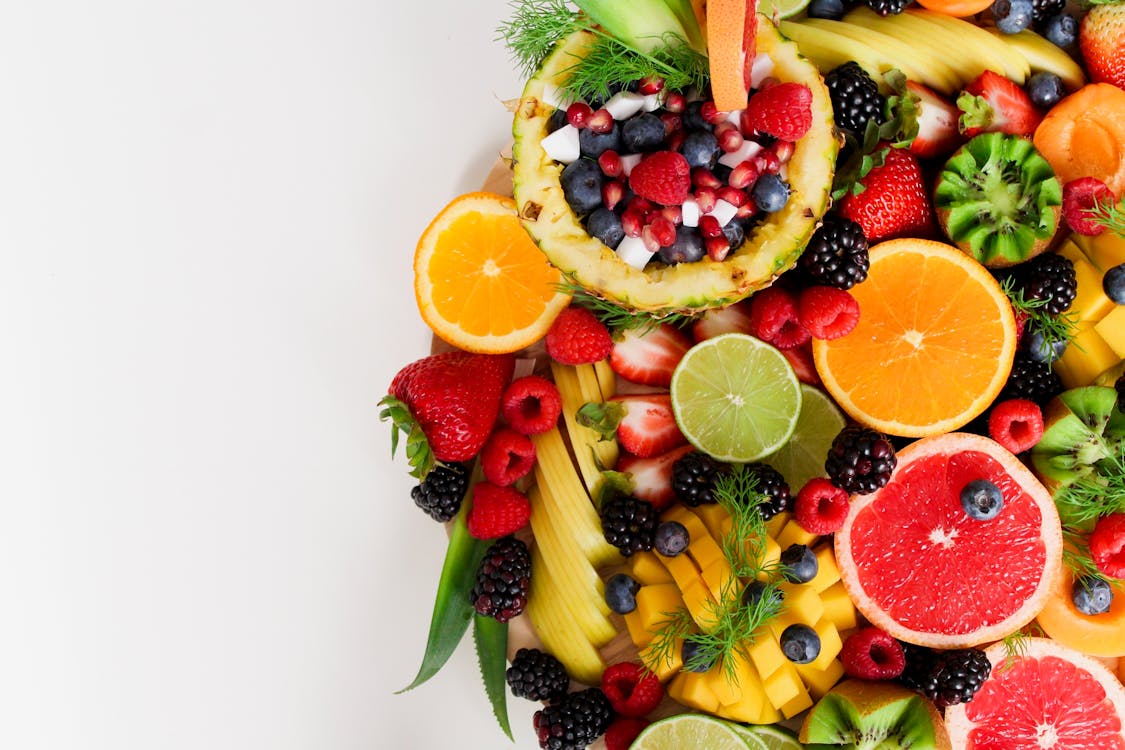
Maintaining a healthy weight is associated with many health benefits.
In otherwise healthy girls, healthy weight is achieved through a
balanced diet and an active lifestyle.
The formula used to
estimate body mass index (BMI) differs between adolescent girls and
adults; it is based on the growth charts of the World Health
Organization. Use this tool to calculate your BMI if you are under 19
years old.

Lunch! lunch! lunch
The first meal of the day is very important for teenagers who need
early morning energy and nutrients so they can concentrate at school.
Eating a nutritious lunch every day establishes a habit for all of
life that contributes to good health. Eating in the morning also
boosts metabolism, which helps maintain a healthy weight. Not having
lunch is associated with an increased risk of obesity among girls. If
the typical foods at lunch are not appetizing, be adventurous: a
pizza can be a nutritious lunch.
Prepare healthy snacks
Adolescent girls are likely to nibble often to meet their growing
body needs. Keep nutritious foods close at hand for healthy snacks.
Limit intake of sugar or beverages or artificially sweetened foods
and focus on fruits, vegetables, yogurt, cheeses, nuts and seeds,
lean protein and whole grains. Read the food labels at the grocery
store and in the kitchen. We all have to learn about the foods we
eat.
Move more, watch less screens
 Teenage girls need to move about an hour a day. Sedentary activities,
such as computer work and television viewing, are associated with
obesity and unhealthy eating disorders. Decrease the time they spend
in front of the screens for less than two hours a day and encourage
physical activity in your family and with friends. Not all teenage
girls can safely go to school and return to school; however, physical
education classes, after school sports activities, and domestic
chores all count as everyday active work.
Teenage girls need to move about an hour a day. Sedentary activities,
such as computer work and television viewing, are associated with
obesity and unhealthy eating disorders. Decrease the time they spend
in front of the screens for less than two hours a day and encourage
physical activity in your family and with friends. Not all teenage
girls can safely go to school and return to school; however, physical
education classes, after school sports activities, and domestic
chores all count as everyday active work.
Calcium
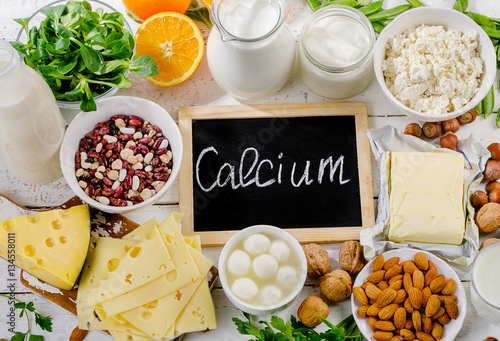
CALCIUM - DID YOU KNOW?1 cup of milk equals 24% of the daily
recommended dietary allowance2 ounces of cheddar equals 29% of the dailyrecommended dietary allowance¾ cup of fruit yogurt equals 22% of the daily
recommended dietary allowance
Vitamin
D
The
body needs vitamin D. Young girls need about 600 IU a day, but many
have difficulty getting it through diet alone. Vitamin D supplements
are recommended, but avoid exceeding 2,000 IU per day as vitamin D
accumulates in the body and is toxic when consumed in large amounts.
The
iron
 As
soon as a girl starts menstruating, her body needs more iron than
before. At the beginning of puberty, girls need 8 mg of iron a day;
menstruation increases the daily intake to 15 mg, which is about the
equivalent of iron intake in three or four servings of steak.
As
soon as a girl starts menstruating, her body needs more iron than
before. At the beginning of puberty, girls need 8 mg of iron a day;
menstruation increases the daily intake to 15 mg, which is about the
equivalent of iron intake in three or four servings of steak.IRON - DID
YOU KNOW?
¾ cup of cream of wheat equals 38% of the recommended dietary allowance¼ cup of roasted pumpkin seeds equals 31% of the recommended dietary allowance4 oz of steak equals 30% of the recommended dietary allowance
Factors to consider
Certain environmental and health conditions affect food. Eating disorders, type 1 diabetes or kidney failure and other health conditions require medical advice and support in the area of nutrition.Many people struggle with limited food access and difficult economic circumstances. Traditional foods can greatly promote healthy eating.Other environmental factors, such as family influences, culture, food marketing, socio-economic factors, geographic location, and access to nutrition information, also affect nutrition.


0 Comments