

In the later stages of pregnancy, the mother usually does not have a
good night's sleep. But the real patience test is before the baby is
one year old. The good news is: This is very normal! In the first
month, the baby still needs food at night, and they will not hesitate
to let you know.
But don't forget that you also need it. You need energy to deal with
everyday life trivia and spend the day with your baby happily.
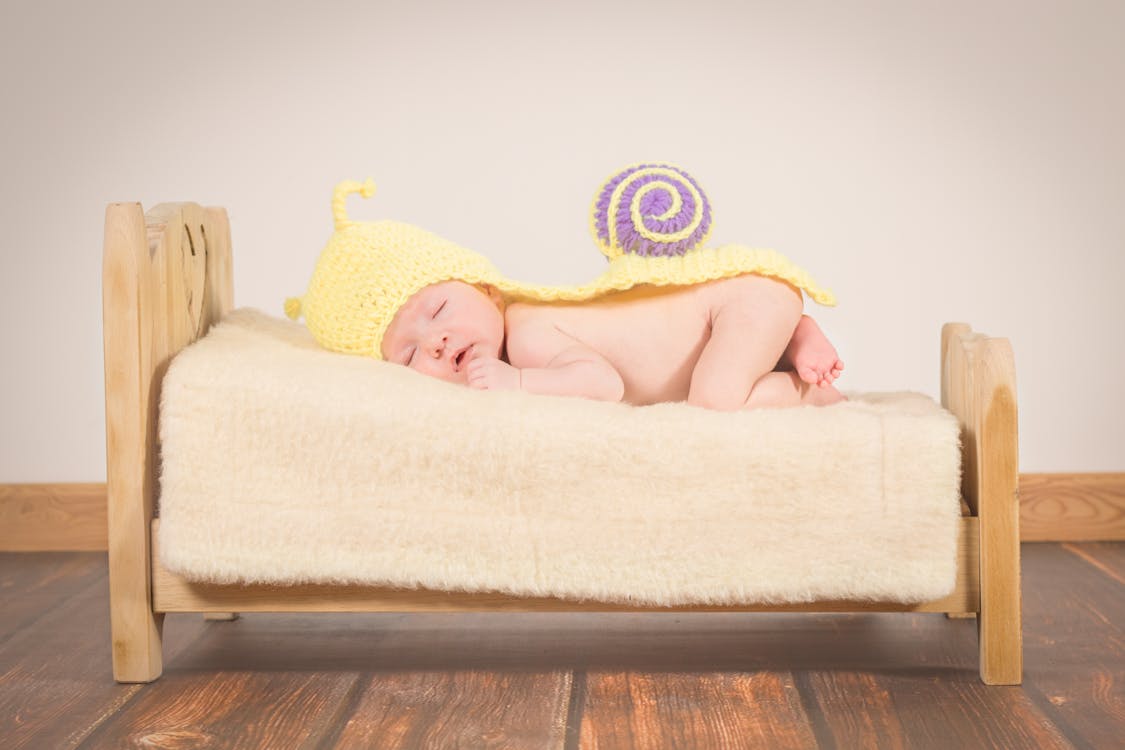
Busy daytime creates a calm night

During the day, the baby wants to play. They want to eat, watch,
catch, listen, climb and play. If your baby does not seem to be
active, turn your head, yawn, and blink your eyes - please give them
some time to rest. This is not to say that the baby needs to sleep,
and a short break (such as a hug and a daydream) will have a good
effect.
Many babies over 6 months only need 2 day naps, 90 minutes each in
the morning and afternoon. Children over 1 year old, as long as about
1 hour of nap is enough.
Don't turn the night into daylight

If your baby wakes up at night, keep calm. Don't be too bright and
avoid loud noises. Do not take your baby out of bed immediately.
Instead, speak with a calm and calm voice, or whisper out the songs
that your baby is familiar with.
After about 6 months, many babies no longer need night milk. When
your child wakes up at night, see if he is really hungry, or just
want to use sucking to help fall asleep. If your baby is hungry, find
out if their dinner is enough to fill the stomach. Try to delay the
dinner time a little when you need it.
Conventions and practices
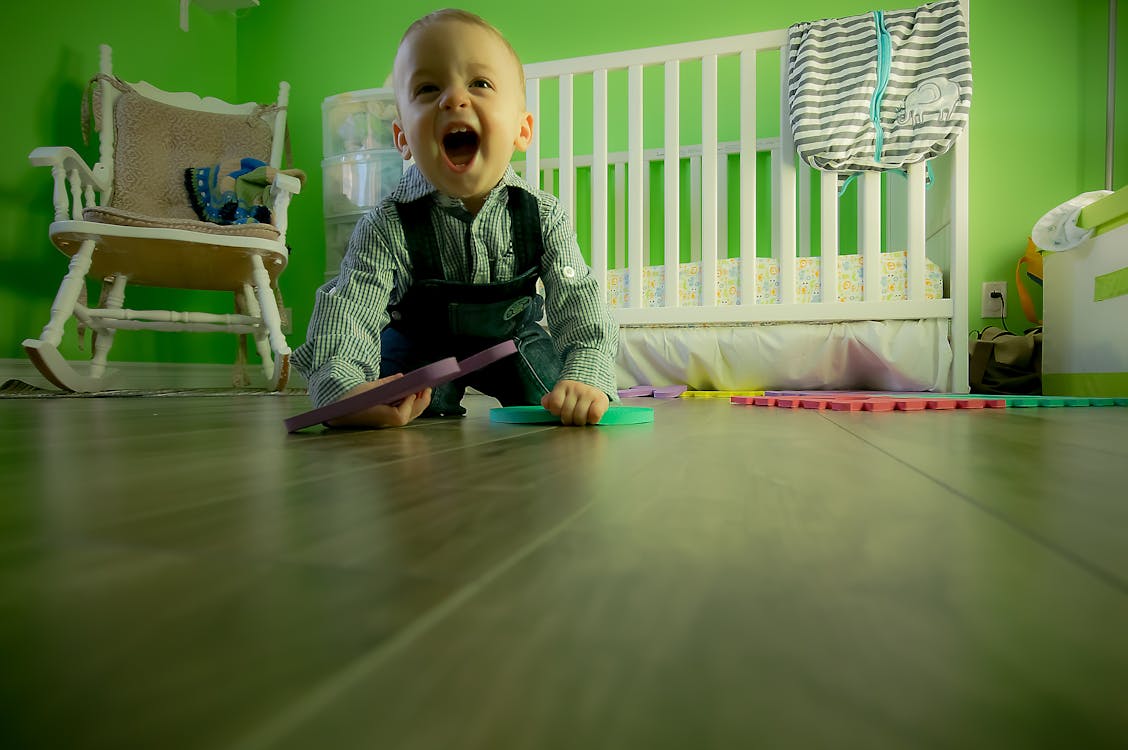
In order to find a suitable sleep pattern, you must first establish a
healthy daytime rhythm. This includes a regular meal order that is
appropriate for your baby's age. In the first few months, you can
determine a regular dinner that will help your baby form a natural
day/night rhythm.
Bedtime activities can make your baby more prepared for sleep. The
same schedule of fixed time and night can best help sleep. A lot of
excitement, play and similar activities are best arranged in the
afternoon. In the evening, start with a picture book, poetry or hug
on the sofa. After that, bathe, brush your teeth and go to bed. Spend
a few minutes at the bedside singing or telling a good night story.
Don't forget to give your baby a kiss before going to bed.
Give your baby a fixed place to sleep. The pediatrician advises the
baby to give the baby a crib at the parent's bed as soon as he is
born. If the baby wakes up, they will find that the parents' bed and
surroundings are familiar. This way they can go back to sleep on
their own without the help of their parents.


0 Comments